0→1 · Playbook
How I launched a brand from zero
The unglamorous first 90 days — name, package, first customer, first repeat.
Brand strategy, positioning, GTM, growth & performance — the full stack, owned end to end, with generative AI embedded across content, creative and campaigns. I turn early-stage consumer brands into ones people remember, choose, and come back to.
I started where most marketers never get to — the blank page. No brand book, no audience, no playbook. Just a product, a founder's conviction, and a market that hadn't heard of us yet.
That's the work I love. I take a brand from zero — naming, positioning, the story, the first customer — and turn it into something with gravity. Then I put a growth engine behind it: performance, influence, content and CRM, all measured against real unit economics.
I run it with founder's-office ownership. Comfortable in ambiguity, fluent in CAC and ROAS, and fast. Strategy on Monday, live campaign by Friday.
AI-forward by default — I embed generative AI (ChatGPT, Claude, Midjourney) across content, creative and campaign workflows, and lean on AI-optimized bidding (Advantage+, Performance Max) to make performance budgets work harder.
A sharp story out-performs a bigger budget. I get positioning right, then scale it.
GA4, Mixpanel, SQL. I let the numbers decide — creative, channel and spend.
Naming to first revenue. The hardest, most fun part of brand-building.
Brand, growth, content, PR, retention — one owner, one coherent brand.
From a recruitment growth funnel to launching an FMCG brand from scratch — a hands-on path through the full lifecycle of building consumer brands. Tap any chapter to open it.
My first taste of building a funnel that actually converts. I ran a full recruitment-growth engine — sourcing, nurture, conversion — treating candidates like a marketing audience. It's where I learned that growth is growth, whether the "product" is a job or a jar of honey.
My FMCG classroom. I owned brand and marketing strategy for a food business — building organic search into a real acquisition channel, standing up community and CRM, and managing budget across social, WhatsApp commerce and food-aggregator platforms. This is where I stopped being a marketer and started thinking like a brand owner.
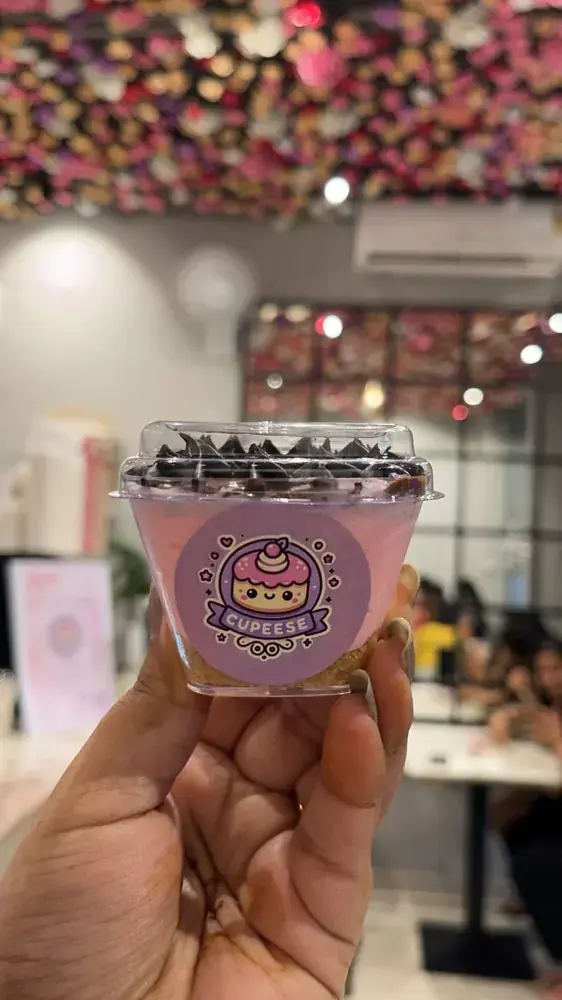
The one I built from a blank page. CUPEESE started as an idea and a recipe — I took it through naming, identity, packaging, positioning and go-to-market, then ran the launch and the growth that followed. ₹8L+ in the first 90 days, and a community that actually came back.
The full mandate. I own end-to-end brand and growth for a health & wellness D2C brand, reporting straight to the founder. Repositioned the brand, rebuilt the content and influencer engine, and put a disciplined performance layer underneath — 12× audience growth in six months at a healthy 4.2× ROAS.
I'm looking for the next brand worth building — a founder with conviction, a category ready to be reframed, and the room to own it end to end. If that's you, the story writes itself from here.
Most brands stitch this across five agencies and three hires. I run it as one connected system — so the strategy, the creative and the numbers actually agree with each other.
Not a portfolio of posts — the full story behind each: the challenge, the strategy, the execution and the numbers. Open any one to read it end to end.
Took a wellness D2C brand from a quiet 2K audience to a 25K+ community with a real growth engine underneath — reporting straight to the founder, owning brand and performance as one.
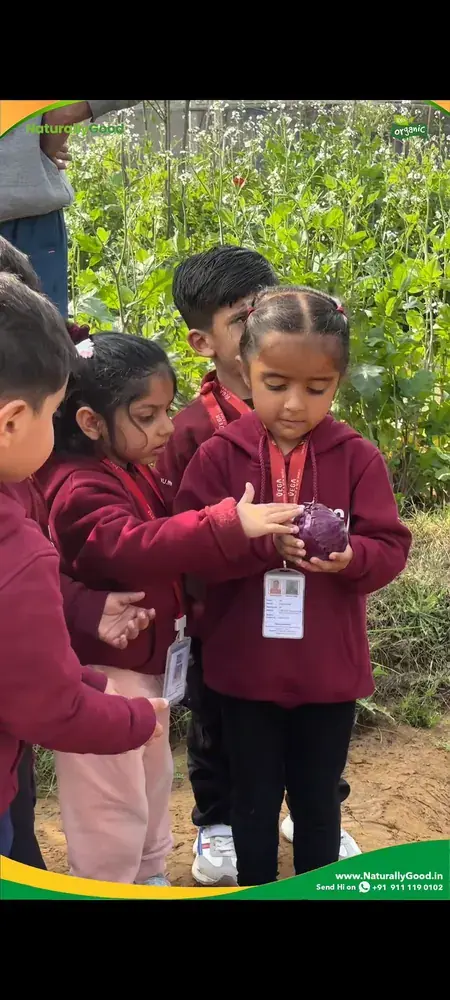
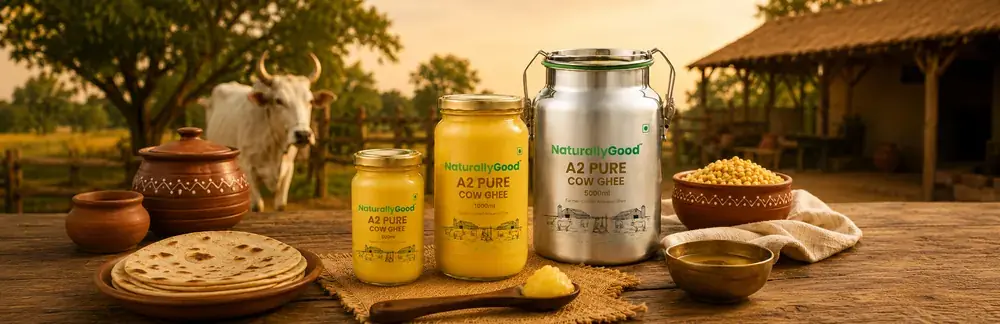
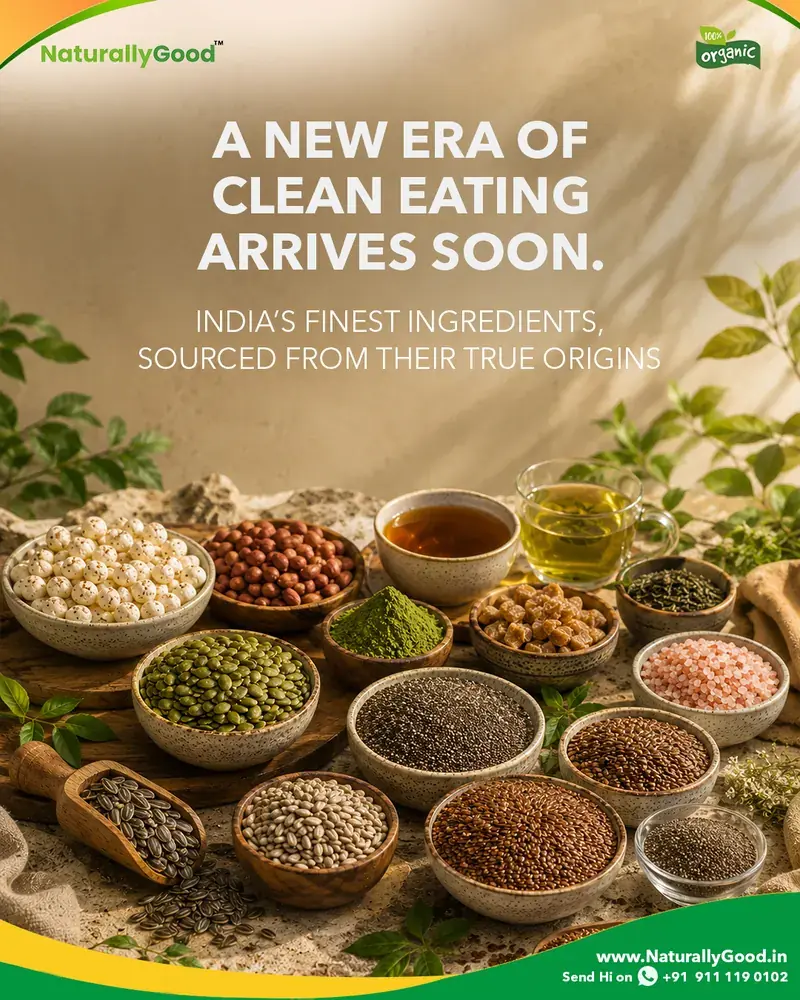
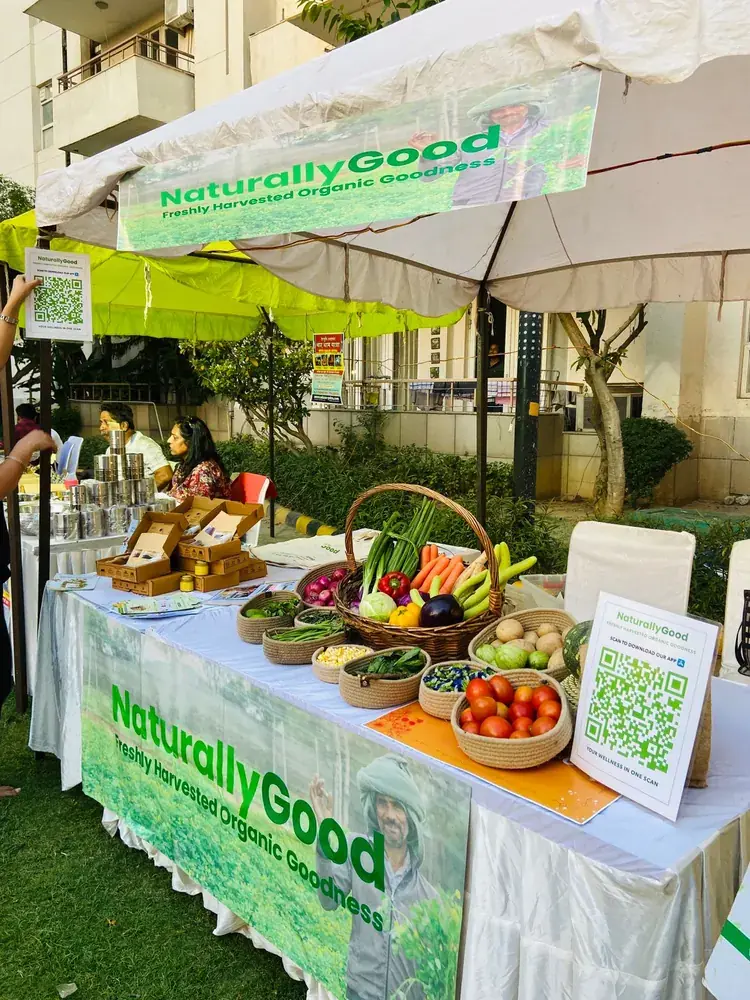
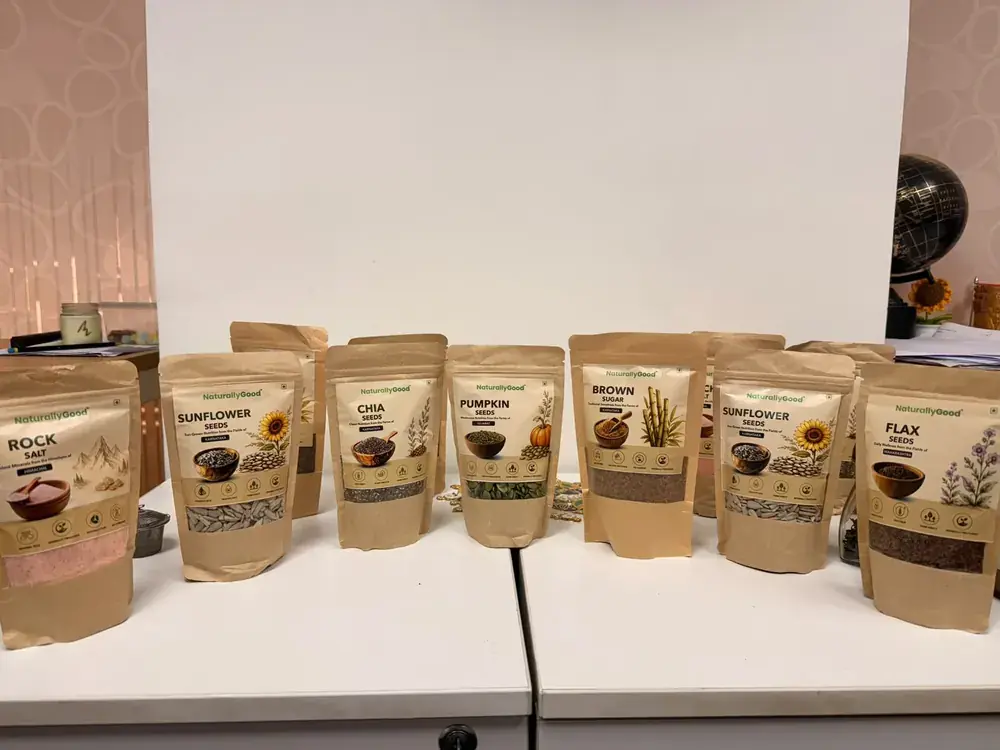
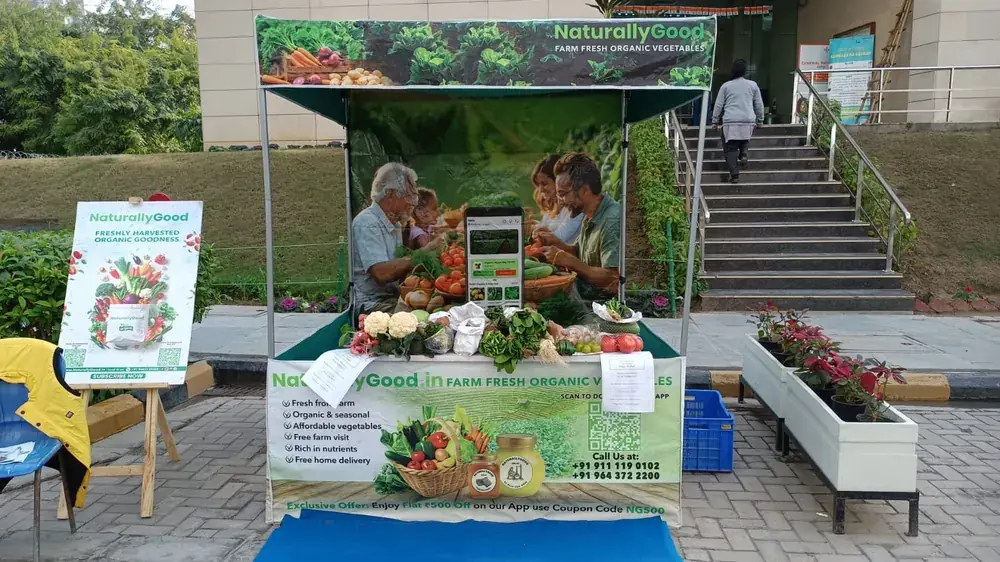
Naturally Good is a health & wellness D2C brand — organic vegetables, honey, ghee, superfoods, seeds, teas and nutrition packs, backed by a farmer-first supply story. Great product, quietly under-marketed.
A tiny 2K audience, brand awareness that didn't match product quality, rising acquisition costs, and no clear reason for a shopper to choose it over Country Delight, Two Brothers or the quick-commerce shelf.
Brand Marketing Head, reporting to the founder. End-to-end owner: strategy, brand, content, performance, influencer, CRM, app growth and offline — the whole stack.
I repositioned Naturally Good from "another organic store" to a farm-to-family wellness ritual — anchoring every message in the farmer, the source and the health outcome. Then I built a content-and-influencer flywheel on top, and put a disciplined performance layer underneath so paid, organic and retention pulled in the same direction.
The story did the heavy lifting. Once the farmer-first narrative was clear, every channel got cheaper — creative resonated, influencers had something real to say, and retention followed because people bought into a belief, not a discount.
A cheesecake brand built from a blank page — name, identity, packaging, positioning and go-to-market — then launched to ₹8L+ in its first 90 days.
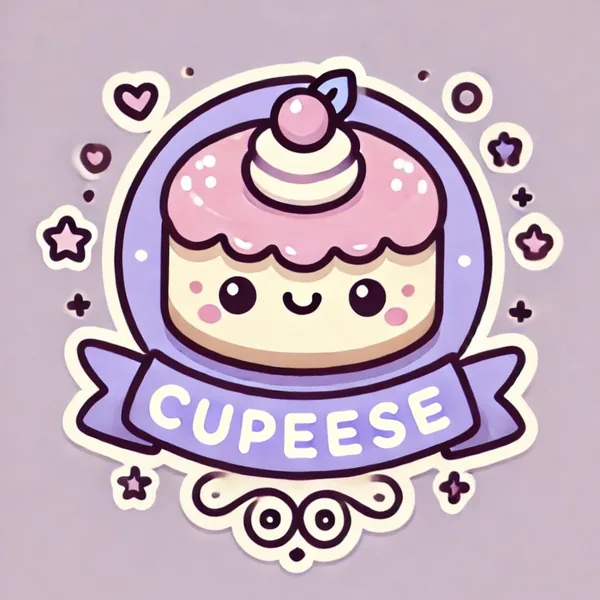
A premium, single-serve cheesecake worth talking about. No brand, no audience, no shelf — just a recipe and the conviction that dessert could be a small, repeatable ritual people fall in love with.
I named it CUPEESE — cup + please, a little joyful, easy to say and own — and built the identity, logo and voice around indulgence you don't have to justify.
Not "cheapest cake nearby" but the small luxury you gift yourself. Premium feel, honest ingredients, and packaging built to travel and to photograph.
Young urban indulgers and gifters — people who screenshot dessert, order for a friend's win, and repeat-buy when a brand makes them feel something. I designed the entire funnel around that emotional trigger.
In food, repeat is the whole game. Getting the first order is marketing; getting the second is the brand. Packaging, community and CRM did more for LTV than any single ad ever did.
Turned organic search into a real acquisition channel for a food brand — cutting reliance on paid while growing traffic and rankings, on an ₹18L+ budget.
A food brand leaning too hard on paid, with thin organic visibility and rising costs. The job: build durable, compounding demand that didn't reset to zero the moment ad spend paused.
Treat SEO and content as a flywheel, not a checkbox. Own the searches customers actually make, build community and CRM to keep them, and let organic quietly take load off the paid budget.
Brand & marketing strategy across the food business — SEO, content, community, CRM and budget across social, WhatsApp commerce and food-aggregator channels.
Paid rents attention; organic owns it. The brands that win in food are the ones that build a demand base they don't have to re-buy every month.
Where it started: a growth-and-conversion funnel that turned 1,000+ leads into 90 placements — proof that the fundamentals of demand are the same, whatever you're selling.

Fill 15+ roles fast, from a cold start, with no established pipeline — and do it efficiently enough that the funnel could scale.
I ran recruitment like a growth campaign: sourced and nurtured candidates as an audience, built conversion into every stage, and optimized the funnel on real numbers.
1,000+ leads into 90 placements (9% conversion) across 15+ roles in three months, a 10K+ candidate pipeline, and time-to-fill cut ~20%.
This is the foundation everything else is built on. Whether the "product" is a job, a cheesecake or a jar of ghee, the discipline is identical: understand the audience, build a funnel, measure honestly, and improve the number that matters.
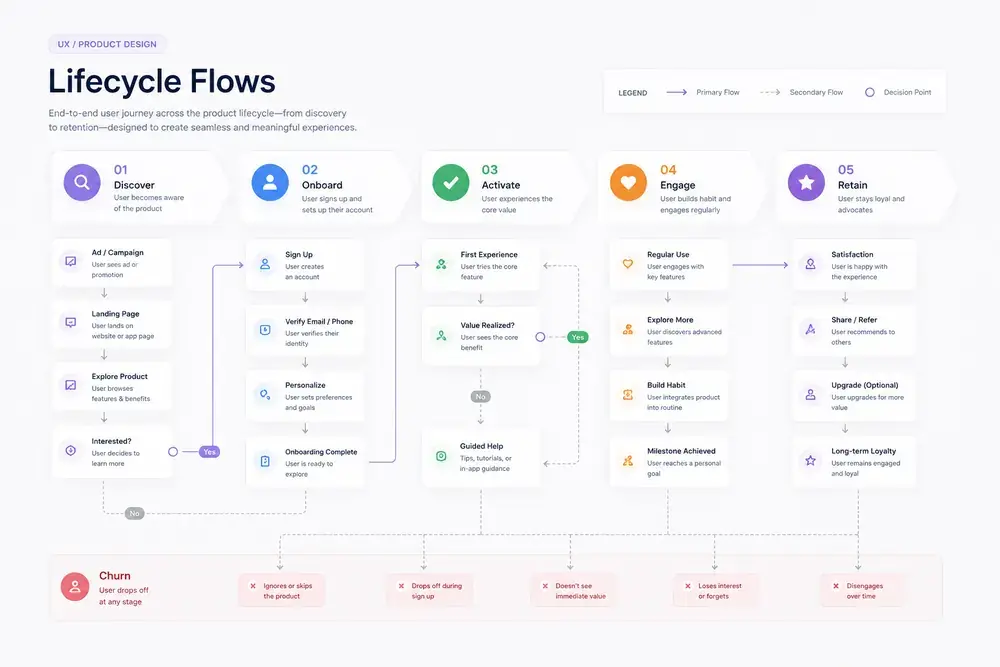
A repeatable operating system for building brands — the same loop whether it's a cheesecake or a wellness range. It never really ends; it just gets sharper on every turn.
Founder, product, market, unfair advantage. What's the truth we can own?
Consumer psychology, category tensions, competitors, jobs-to-be-done.
Positioning, archetype, message hierarchy, the GTM plan and the numbers behind it.
Name, identity, packaging, voice — the assets people remember and repeat.
Go live across channels with a story, not just an ad. First customers, first proof.
Performance, influence and content flywheel — spend behind what's working.
Creative, funnel and channel testing to push ROAS up and CAC down.
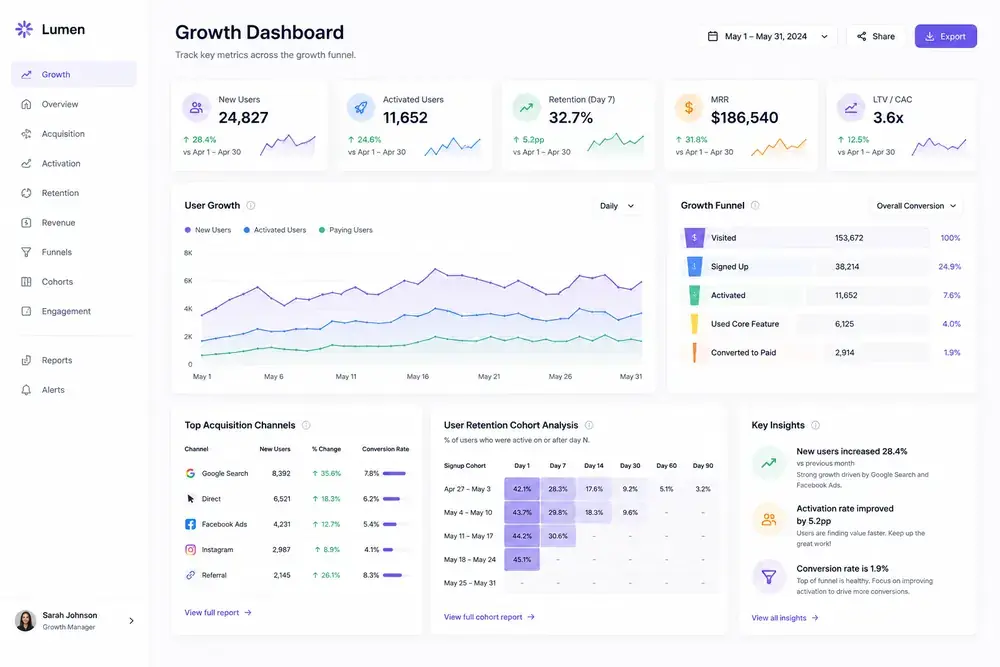
GA4, Mixpanel, SQL. Honest numbers on CAC, ROAS, retention and LTV.
Feed the learning back in. Every loop makes the next brand faster to build.
She walked in, understood the brand faster than we did, and had a repositioning on the table in a week. Rare to find someone this strategic who can also ship.
Owns the number, not just the deck. CAC came down, ROAS held, and the brand actually started to feel like a brand. Full-stack in the truest sense.
Launched our brand from literally nothing — name, packaging, the works — and it was doing real revenue in a quarter. That's a founder's instinct, not an executive's.
Anyone can run ads. The difference is how you think about the brand before you spend a rupee. Here's the operating system behind the work.
I pick the archetype the brand can own with conviction, then make every asset ladder up to it.
Content earns attention → attention becomes community → community creates proof → proof lowers CAC → cheaper growth funds more content. Every turn makes the next cheaper.
Vanity metrics feel good and pay nothing. I run on CAC, ROAS, retention curves, repeat rate and LTV:CAC — because those are the numbers a founder actually raises and hires against.
Short essays on brand, growth and the craft of building from zero.
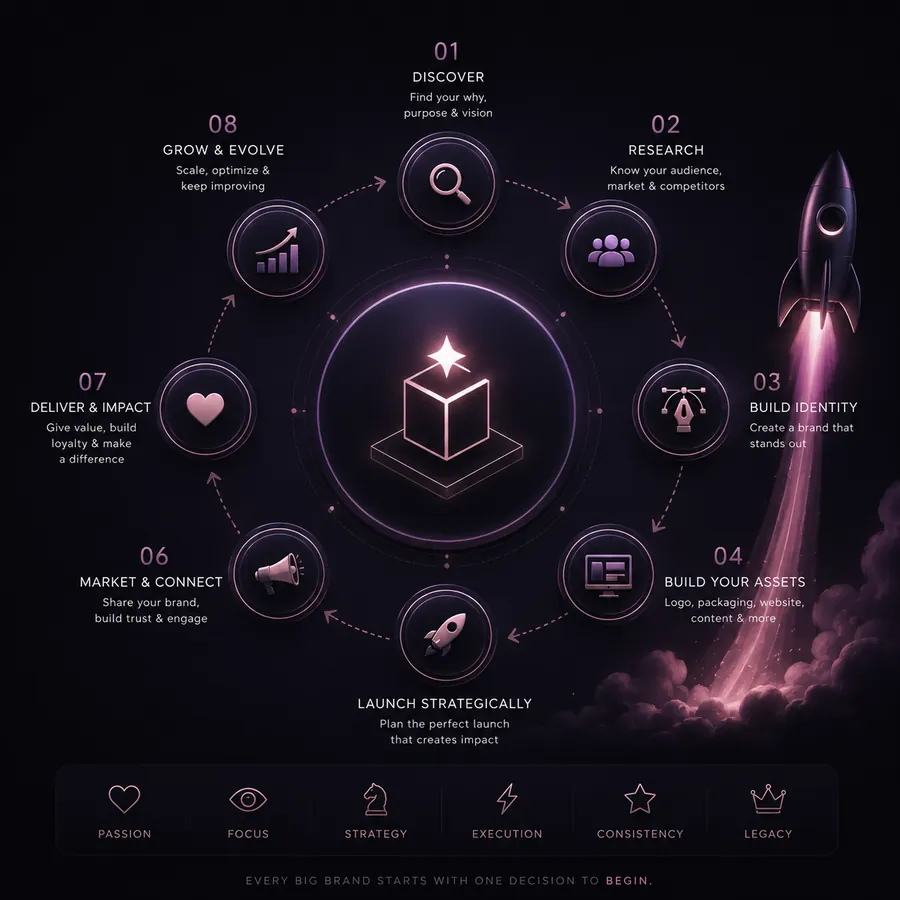
The unglamorous first 90 days — name, package, first customer, first repeat.

A sharp story is the cheapest, most durable growth lever you'll ever build.
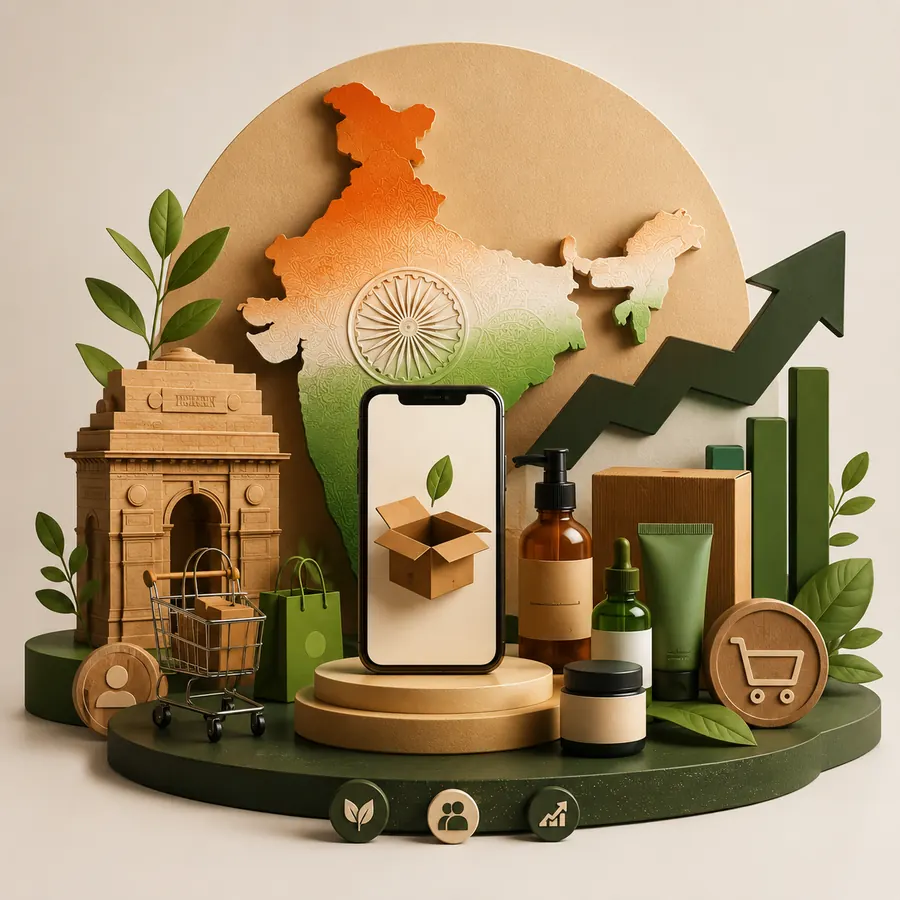
What actually works when quick-commerce and CAC reshape the funnel.

Turning the farmer and the source into the strongest asset you own.
What selling honey and cheesecake taught me about repeat and retention.
If you're a founder, investor or team looking for someone to own the whole brand — strategy to scale — I'd love to hear what you're building.